KOREAN CUISINE
Dining in Korea is like a window into the local culture. There, sharing food is at the core of a harmonious society, and meals are designed to be enjoyed by many. It will be a heartwarming event that leads to
Eating traditional Korean food can be spectacular, so it's best eaten with friends and family. Meals are served in an array of small plates to sample, large pots of delicacies simmering and frying in the center of the table, and lovingly prepared by a chef who specializes in each plate.
Samgyeopsal 삼겹살 (Korean BBQ)
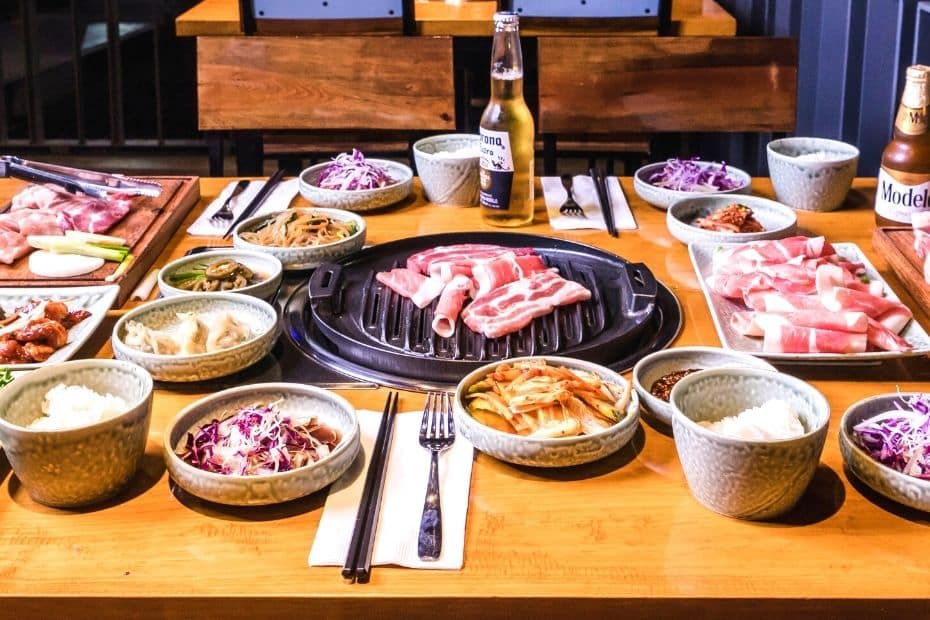
There are many ways to grill different cuts of meat in Korea, but the defining experience is eating samgyeopsal (literally - three layers of pork). Thick, juicy, cheap, and ubiquitous. I have to admit, this is my favorite traditional Korean food. It's not like British or American barbecue, but it certainly gets the same fix and leaves you feeling full. If you like kimchi or garlic, wrap it in a lettuce leaf and eat it with a pompom. This meal comes with a variety of side dishes. Depending on the location, you can also order an all-you-can-eat option.
Gimbap 김밥 (Seaweed Wrapped Rolls)
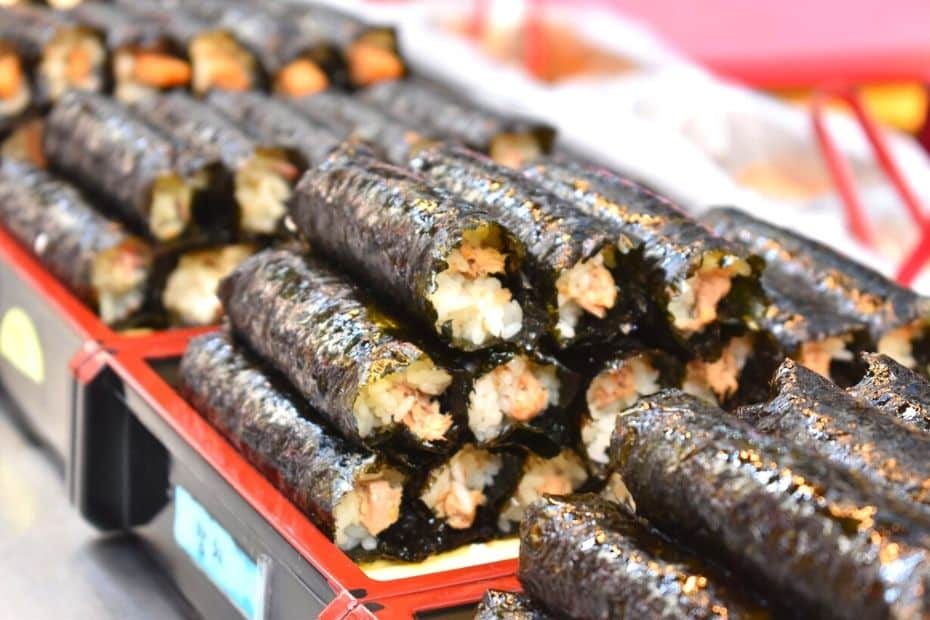
Gimbap (also known as gimbap) is very versatile and can be purchased as a snack in supermarkets or as a main part of a meal in traditional Korean restaurants. This simple dish is actually one of the most popular traditional Korean dishes he. Personally, I love kimbap, which is light, healthy, and has a variety of delicious ingredients like cream cheese, bulgogi (roast beef), and lobster.
Kimchi Jjigae 김치 찌개 (Kimchi Stew)
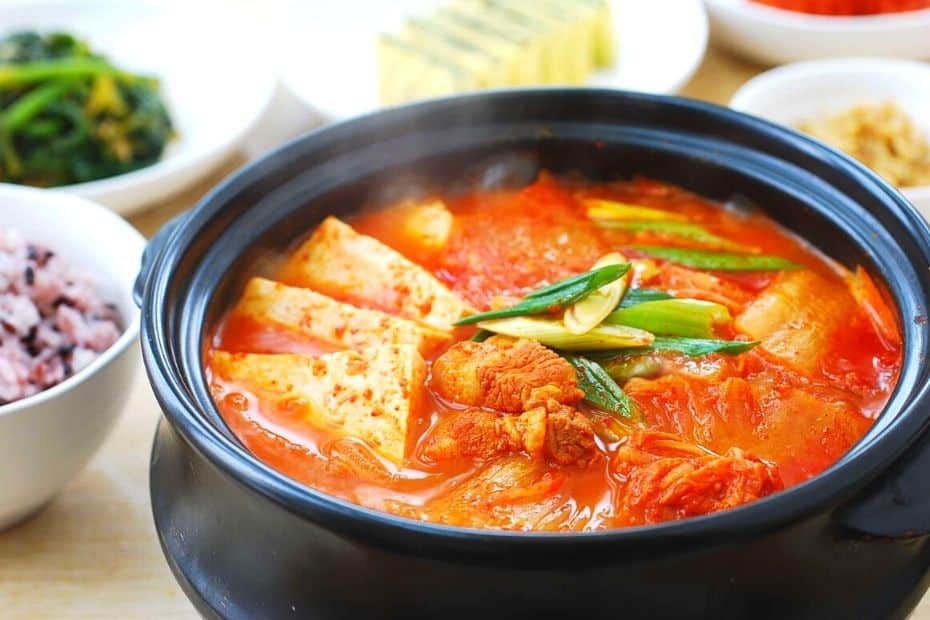
If you visit Korea in the winter, any jjigae (stew) is a great way to recover from the cold and harsh winter weather. Sautéing the kimchi softens it, allowing the umami of the kimchi to melt into the stew, creating a hearty soup. It also comes with a side dish, so you can add kimchi. The best way to eat it is to put the rice on a spoon and dip it into the soup, then top it with other ingredients.
Samgyeopsal 삼겹살 (Korean BBQ)
There are many ways to grill different cuts of meat in Korea, but the defining experience is eating samgyeopsal (literally - three layers of pork). Thick, juicy, cheap, and ubiquitous. I have to admit, this is my favorite traditional Korean food. It's not like British or American barbecue, but it certainly gets the same fix and leaves you feeling full. If you like kimchi or garlic, wrap it in a lettuce leaf and eat it with a pompom. This meal comes with a variety of side dishes. Depending on the location, you can also order an all-you-can-eat option.
Gimbap 김밥 (Seaweed Wrapped Rolls)
Gimbap (also known as gimbap) is very versatile and can be purchased as a snack in supermarkets or as a main part of a meal in traditional Korean restaurants. This simple dish is actually one of the most popular traditional Korean dishes he. Personally, I love kimbap, which is light, healthy, and has a variety of delicious ingredients like cream cheese, bulgogi (roast beef), and lobster.
Kimchi Jjigae 김치 찌개 (Kimchi Stew)
If you visit Korea in the winter, any jjigae (stew) is a great way to recover from the cold and harsh winter weather. Sautéing the kimchi softens it, allowing the umami of the kimchi to melt into the stew, creating a hearty soup. It also comes with a side dish, so you can add kimchi. The best way to eat it is to put the rice on a spoon and dip it into the soup, then top it with other ingredients.

Комментарии
Отправить комментарий