SPANISH CUISINE
Europe is home to some of the best cuisine in the world, and when we revisited Europe this summer, we were reminded of the importance of destination cuisine to complement our adventures and activities. ) tried Greek cuisine and enjoyed fine French dining in the South of France. I was planning to cover a summer in Europe, so I thought I'd start with Spanish cuisine. In summary, Spanish food is some of the best you can find anywhere.
Spanish cuisine has just the right amount of sophistication to complement other simple dishes. Local diversity means you can always try something new while traveling, whether it's fresh farm-to-table or sea-to-table cuisine.
The diversity of Spanish cuisine sets it apart from its neighbors, especially Italy and France. From Valencia on the east coast to the Basque Country in the north, you'll never get bored. Fish, spicy soups, delicious tapas and more.
Jamon Iberico
 Jamon Iberico became a part of Spanish cooking in the 1400s. The simple nature of the delicious Spanish food no doubt appealed to the masses. The ham is made from black Iberian pigs found along the peninsula. It’s then salted and dried in the open air for up to 36 months to cure it before serving.
You’ll find two versions of cured Iberian ham around Spain, with Jamon Iberico being more expensive than Jamon Serrano, and higher quality. So, since you’re on the road, why not treat yourself? Due to its savory-sweet and smooth texture, it’s one of the more famous hams on earth.
Similar to Paella, Jamon Iberico is one of those amazing Spanish dishes you must try on your travels. While you can try the ham by itself, Tostas de Tomate y Jamon is a twist on this Spanish food. It’s a simple dish that involves rubbing pieces of toast laden with tomato and garlic together before soaking them in olive oil and topping it with the cured ham. You will find this in every tapas bar in Spain.
Jamon Iberico became a part of Spanish cooking in the 1400s. The simple nature of the delicious Spanish food no doubt appealed to the masses. The ham is made from black Iberian pigs found along the peninsula. It’s then salted and dried in the open air for up to 36 months to cure it before serving.
You’ll find two versions of cured Iberian ham around Spain, with Jamon Iberico being more expensive than Jamon Serrano, and higher quality. So, since you’re on the road, why not treat yourself? Due to its savory-sweet and smooth texture, it’s one of the more famous hams on earth.
Similar to Paella, Jamon Iberico is one of those amazing Spanish dishes you must try on your travels. While you can try the ham by itself, Tostas de Tomate y Jamon is a twist on this Spanish food. It’s a simple dish that involves rubbing pieces of toast laden with tomato and garlic together before soaking them in olive oil and topping it with the cured ham. You will find this in every tapas bar in Spain.
Paella
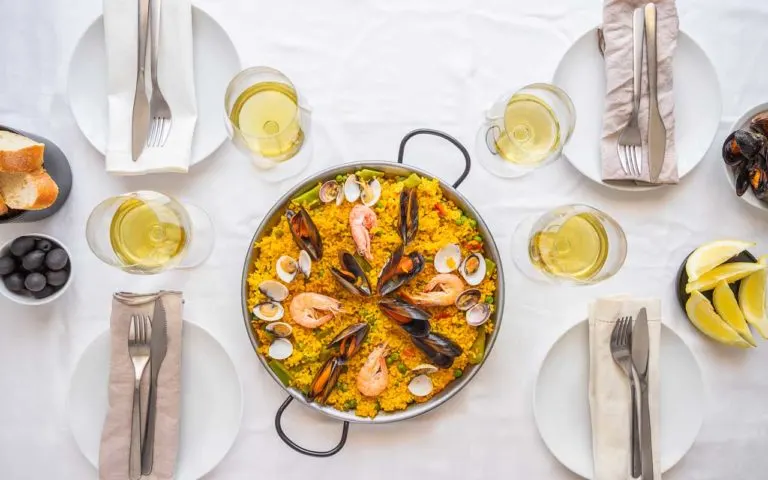
Paella originated in the beautiful city of Valencia. It is a Spanish rice dish that uses a specific type of round rice. Paella de marisco, or seafood paella, is the most common variation. Paella's origins date back to his 10th century. The Muslim population of Spain was the first to introduce rice to the country. But it wasn't until the 19th century that the traditional paella recipe started to gain popularity. Paella Valenciana was first enjoyed by Spaniards living just outside Valencia. Paella is cooked in a flat, large, round pan that is cooked to perfection over an open flame. This makes paella the perfect food for large group dining. The paella's olive oil base gives the round rice its iconic golden color. Rosemary and saffron are traditionally used for flavoring. Many of the other ingredients have been used for centuries.Original paella recipes used chicken, rabbit, duck and even snails.
Tapas
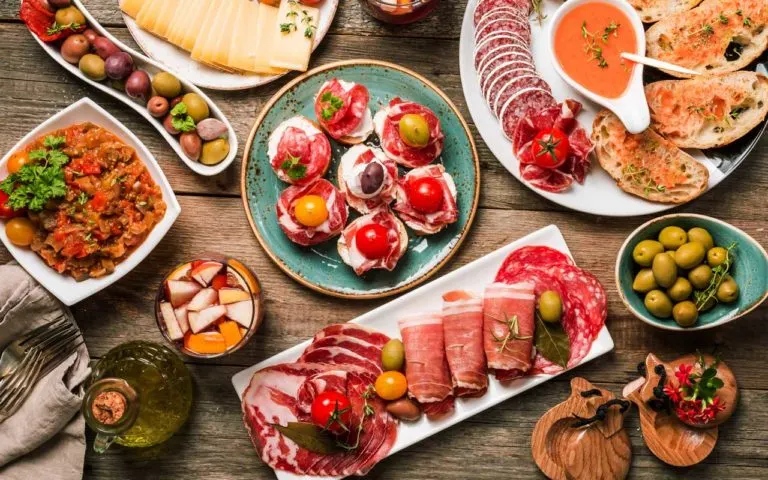
Tapas are a variety of snacks and appetizers common to Spanish cuisine. But the tapas experience is where this cuisine ignites Spanish culture. Although its origins date back to Roman times, tapas as we know them today were first made in 18th-century Spain by Spanish innkeepers. Travelers were lodging through the inn, and the innkeeper wanted to feed them. However, most of them could not write or communicate in different languages. Therefore, innkeepers gave out samples of popular Spanish dishes and let travelers decide what they wanted to eat. Today, tapas can transport your taste buds into a world of tantalizing flavors and delicate textures.
Jamon Iberico
Paella
Paella originated in the beautiful city of Valencia. It is a Spanish rice dish that uses a specific type of round rice. Paella de marisco, or seafood paella, is the most common variation. Paella's origins date back to his 10th century. The Muslim population of Spain was the first to introduce rice to the country. But it wasn't until the 19th century that the traditional paella recipe started to gain popularity. Paella Valenciana was first enjoyed by Spaniards living just outside Valencia. Paella is cooked in a flat, large, round pan that is cooked to perfection over an open flame. This makes paella the perfect food for large group dining. The paella's olive oil base gives the round rice its iconic golden color. Rosemary and saffron are traditionally used for flavoring. Many of the other ingredients have been used for centuries.Original paella recipes used chicken, rabbit, duck and even snails.
Tapas
Tapas are a variety of snacks and appetizers common to Spanish cuisine. But the tapas experience is where this cuisine ignites Spanish culture. Although its origins date back to Roman times, tapas as we know them today were first made in 18th-century Spain by Spanish innkeepers. Travelers were lodging through the inn, and the innkeeper wanted to feed them. However, most of them could not write or communicate in different languages. Therefore, innkeepers gave out samples of popular Spanish dishes and let travelers decide what they wanted to eat. Today, tapas can transport your taste buds into a world of tantalizing flavors and delicate textures.

Комментарии
Отправить комментарий